GLP-1 Weight-Loss Drugs and New Approaches to Eating Disorder Treatment

Over the past few years, it’s been impossible to escape talk about GLP-1 weight-loss drugs. Semaglutide drugs like Ozempic, Wegovy, and Mounjaro have burst into public awareness, beyond simply as treatments for diabetes and obesity, but as “miracle” appetite suppressants that seem to change people’s relationship with food overnight. That change has brought tangible benefits for many. At the same time, it’s also stirred up a new generation of eating-related problems and exposed ways our culture talks (or doesn’t talk) about eating disorders.
As clinicians and advocates working with people in deep, messy struggles with food and body image, we can’t ignore the bigger picture any more than we can turn a blind eye to what’s happening in research. Here’s what’s going on and where Ketamine Infusion Therapy is beginning to make a difference.

The GLP-1 Revolution: Good News and Unexpected Consequences

GLP-1 receptor agonists weren’t invented to shift culture. They were developed to help people with type 2 diabetes manage blood sugar and, more recently, to support weight management in people whose bodies don’t respond well to diet and exercise alone. These drugs mimic a hormone in the body that controls feelings of hunger and fullness, and for many, that means an appetite that finally feels manageable rather than overwhelming. Purdue Ag Business Center
On the surface, this sounds positive: fewer intrusive hunger pangs, less constant thinking about food, fewer late-night fridge raids. A story in The Guardian details a woman whose lifelong binge eating and food preoccupation eased dramatically on a GLP-1 medication, reducing the “food noise” that once controlled her life. The Guardian
But that doesn’t tell the whole story.
A growing number of clinicians and eating disorder specialists are seeing other patterns emerge. GLP-1s don’t just suppress appetite — they change how hunger feels. For someone whose eating disorder is tied to self-worth, control, or distorted cues around hunger and fullness, that can be destabilizing. Some patients have experienced relapses into restrictive eating patterns after starting these drugs, precisely because their internal signals shifted in ways that overlap with disordered eating behaviors. Eating Recovery Center
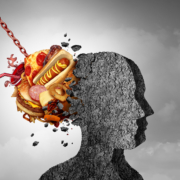
Worse, when these medications are framed in the media and advertising as “easy weight loss,” they feed right into a diet culture that tells people thinner is better. That messaging can hit anyone struggling with body image hard, but it’s especially dangerous for people with a history of anorexia, bulimia, or atypical eating disorders, those who may look “healthy” on the scale but carry deep psychological struggles with food, fear of weight gain, and body distrust. ABC
So we’re seeing a new type of paradox: for some people, GLP-1 medications are life-changing in a positive way; for others, they unintentionally trigger or worsen disordered eating thoughts or behaviors. This makes sense when you look at the science, too. Early clinical research suggests that GLP-1 receptor agonists influence reward-related brain circuits and the way the body interprets cravings and energy balance mechanisms that closely overlap with the neurobiology of disordered eating. PubMed And while that could make these drugs useful tools for conditions like binge eating disorder (BED), the formal evidence is still coming in and is far from definitive. PubMed

Culture Shift Meets Clinical Reality

It’s not just biology. GLP-1 weight-loss drugs have become cultural symbols as much as medical therapies. They show up in memes, talk-show segments, Instagram ads, and diet accounts that equate self-worth with control over food. People who formerly struggled silently with eating disorders now find themselves right in the middle of public debate; is this treatment empowering or dangerous?
For people already vulnerable to disordered thoughts about food and weight, that mix of cultural pressure and physical appetite suppression can feed anxiety, shame, and a sense of not being in control. When eating disorders flare, the consequences aren’t just mental, they’re medical. Malnutrition, electrolyte imbalance, cardiac stress, and bone loss are very real risks. Treatments that only focus on weight without addressing psychological roots can do more harm than good.
This is where Ketamine Infusion Therapy enters the conversation, not as a quick fix, but as a fundamentally different way of approaching eating disorders.

Why Ketamine Infusion Therapy Feels Different — and Why It Helps

Ketamine isn’t a diet drug. It doesn’t trick the body into feeling full or reduce hunger signals by hormone manipulation. What it does is something much deeper.
Decades of research now show that ketamine affects glutamate signaling in the brain, specifically, the N-methyl-D-aspartate (NMDA) receptor pathways involved in mood, cognition, and neuroplasticity (the brain’s capacity to restructure itself). That’s part of why ketamine’s rapid-acting antidepressant effects have transformed care for treatment-resistant depression and PTSD, and why clinicians started asking if it might help other entrenched psychiatric illnesses. PubMed
Eating disorders are not just behavioral; they are neurobiological. Patterns of rigid thoughts about food, compulsive thinking about body image, and obsessive fear of weight gain don’t come from a lack of willpower. They come from neural circuits that have gotten stuck in repetitive loops. Ketamine opens the door to re-wiring those circuits. A recent exploratory case series looked specifically at using intravenous ketamine as an adjuvant treatment for restrictive eating disorders like anorexia nervosa. The findings were striking: patients showed considerable advancements in BMI and reductions in obsessive-compulsive symptom patterns, including rumination, cognitive rigidity, and guilt, core features that traditional treatments commonly struggle to tackle. Springer
That’s not a fluke. Other pilot work combining ketogenic nutritional approaches with ketamine infusions also showed lasting improvements in chronic eating disorder thoughts, including fears about weight and self-acceptance, even when weight was already medically normalized. PMC. And warm data from clinical trials like a UCSF study underway now exploring how ketamine changes learning and cognitive flexibility in anorexia point in the same direction: ketamine changes how the brain learns about food, fear, and reward. UCSF Clinical Trials
In real terms, that means patients often describe something that doesn’t appear on a lab report: a shift in their relationship to food, their body, and themselves. They talk about less “stuckness,” fewer intrusive thoughts, and a sense of being able to learn new patterns instead of repeating old ones.

A New Kind of Promise, Not a Magic Wand

Ketamine isn’t a cure-all. Not everyone responds, and it doesn’t erase an eating disorder overnight. But for people who have tried therapy, SSRIs, CBT, nutritional counseling, and still feel trapped in harmful cycles, Ketamine Infusion Therapy offers something they haven’t had before: a way to change the brain’s rigidity at the source. That’s not theory. That’s emerging evidence and real human experience.
As clinicians, we see people whose lives are reshaped not because they suddenly “want to eat more” or “stop caring about weight,” but because they finally have the cognitive space to relearn self-compassion, build healthier patterns, and let go of self-criticism that has no place in recovery.

Looking Forward

The conversation about GLP-1 drugs and eating disorders isn’t black and white. For some people, these medications provide greatly needed relief from compulsive hunger. For others, they trigger deeper problems because they enter a landscape already fraught with cultural weight stigma and fragile internal cues.
Eating disorders are complex. They live at the intersection of biology and environment, brain and belief, body and identity. Treating them requires tools that respect that complexity.
Ketamine Infusion Therapy is one of those tools, not the only one, but a hopeful sign when everything else has failed. It gives patients a neurological reset, an entry point for therapeutic growth, and, most importantly, a real chance at lasting recovery.
If you or a loved one has been squeezed between the mixed messages of weight-loss culture and the hardship of eating disorders, know this: there are new routes to recovery. And for many, ketamine is the start of one.
Contact us here to schedule a consultation.
family during holidays

Navigating the Holidays with Depressive Disorders, PTSD, and Addiction

Understanding the Challenges — and How Ketamine Infusion Therapy Can Help

For many people, the holiday season is painted as a time of joy, celebration, and togetherness. But for those living with depressive disorders, PTSD, or addiction, this time of year can amplify emotional pain rather than soothe it. Instead of comfort, the season may bring pressure, reminders of past trauma, financial strain, or loneliness. Understanding why these challenges arise is an important step in offering compassion, support, and effective treatment options for those who struggle.

This article explores why the holiday season can feel overwhelming for individuals facing these conditions, and how Ketamine Infusion Therapy provides a promising path toward relief and stability when it is needed most.


When the Holidays Hurt: Why This Season Is Especially Hard

1. The Burden of Expectations

Movies, advertisements, and social gatherings create an image of the “perfect holiday.” There is pressure to be cheerful, social, and emotionally available—even when someone feels exhausted or depleted. For individuals with depressive disorders, expectations like these can deepen feelings of inadequacy or isolation. The energy required for events, gift-giving, and family interactions may exceed emotional capacity, resulting in guilt or shame.

Depression often brings symptoms such as low motivation, disrupted sleep, physical fatigue, and difficulty concentrating. During the holidays, when schedules fill quickly and demands increase, these symptoms intensify. What should be a time of rest can instead feel like a heavy emotional weight.

2. Trauma Triggers and PTSD Responses

The holidays can be filled with sensory triggers—sounds, smells, locations, people—that can unexpectedly bring traumatic memories back to the surface. Crowded stores, loud gatherings, disrupted routines, or travel may overwhelm the nervous system.

For those living with PTSD, the holiday season may include:

  • Flashbacks or heightened startle responses

  • Nightmares or disrupted sleep

  • Avoidant behaviors and withdrawal

  • Difficulty regulating emotions

Family gatherings can be sources of comfort for some, but for others they involve complicated histories, strained relationships, or reminders of traumatic experiences. Even positive memories can be painful if they contrast sharply with someone’s current emotional state or losses.

3. Addiction and Seasonal Vulnerability

The holiday season can be particularly difficult for individuals in recovery or those still struggling with substance use disorders. Alcohol is present at many social functions, and social pressure to “relax and have fun” can be intense. Stress, loneliness, and emotional triggers heighten cravings and can threaten months—or years—of sobriety.

Common holiday-related challenges for addiction include:

  • Increased exposure to substances

  • Stressors that lead to relapse impulses

  • Feelings of being “different” or left out while maintaining sobriety

  • Financial and family stress, both major relapse triggers

The emotional landscape of the season may create openings for unhealthy coping mechanisms, making strong support and effective treatment strategies essential.

4. Grief and Loss Are Magnified

Many people are reminded of loved ones who are no longer present during the holidays. For individuals already struggling with depression, PTSD, or addiction, this grief can be overwhelming. Empty chairs, old traditions, or family changes unleash waves of emotion that can feel impossible to manage alone.


How Ketamine Infusion Therapy Supports Those Struggling During the Holidays

Ketamine Infusion Therapy has emerged as a groundbreaking treatment for individuals with depression, PTSD, and certain forms of addiction. Unlike traditional medications—which may take weeks or months to take effect—ketamine works rapidly to alleviate symptoms and improve mental well-being. During a time of year when emotional stress is heightened, this swift relief can be especially meaningful.

1. Rapid Relief from Depressive Symptoms

Many people with treatment-resistant depression find that traditional antidepressants are not enough, or that benefits come too slowly. Ketamine works differently. By interacting with the brain’s glutamate system, ketamine helps create new neural pathways that support better mood regulation and healthier cognitive patterns.

During the holidays, when depression can feel sharp and unrelenting, ketamine may offer benefits such as:

  • Lifted mood

  • Reduction in suicidal thoughts

  • Increased mental clarity

  • Improved motivation and resilience

Because ketamine often works within hours, patients may experience relief in time to meaningfully participate in holiday events or manage seasonal stress with greater stability.

2. Support for PTSD and Trauma-Related Symptoms

Ketamine’s ability to reduce fear responses, interrupt traumatic memory loops, and increase emotional flexibility makes it a powerful resource for those with PTSD.

Its benefits for trauma survivors may include:

  • Reduced hypervigilance

  • Decreased intrusive thoughts or flashbacks

  • More regulated emotional responses

  • Enhanced sense of safety and calm

By opening a “window of plasticity” in the brain, ketamine allows individuals to process trauma in a more grounded way. The holiday season—typically rich in emotional complexity—can become more manageable and less triggering as symptoms decrease.

3. A Tool for Those Navigating Addiction-Related Struggles

Ketamine shows promise in assisting with recovery from addiction, especially when paired with therapy or structured recovery programs. Its effects on neural pathways involved in reward and craving can help reduce the intensity of urges and support long-term behavioral change.

Holiday-related stressors that may have previously led to relapse may become easier to navigate as ketamine helps stabilize mood, increase emotional resilience, and reduce compulsive patterns.

4. Enhancing Therapeutic Engagement

Ketamine’s ability to create mental clarity and cognitive openness helps many patients engage more effectively in therapy. Whether someone is working with a counselor, trauma specialist, or recovery group, ketamine can improve emotional accessibility and insight. This can be especially valuable during the holidays, when emotional complexity tends to surface.


Creating a Supportive and Healing Holiday Season

The holidays may always carry a level of challenge for those managing depression, PTSD, or addiction. But with the right support, they can become far more navigable—and even meaningful. Ketamine Infusion Therapy offers hope by relieving symptoms, building resilience, and empowering individuals to reconnect with themselves and those they love.

For anyone struggling during this time of year, seeking care is a powerful act of self-compassion. No one has to navigate the season alone. With thoughtful support, evidence-based treatment, and a caring clinical team, the holidays can shift from a period of survival to one of healing.

If you or someone you love is finding this season overwhelming, our clinic is here to help. Reach out to learn how Ketamine Infusion Therapy can support you through the holidays and beyond. Contact us here to schedule a consultation.

Tranquility Ketamine: The Benefits of Being an Osmind Clinic

At our clinic, evidence-based care is at the heart of every treatment plan. The clinic’s commitment to innovation and measurable outcomes is exemplified by its integration of Osmind, a cutting-edge technology platform that optimizes mental health treatments such as Ketamine Infusion Therapy.

As one of the nation’s leading platforms for interventional psychiatry, Osmind empowers clinics and their patients with real-world data, automated progress tracking, and research-backed insights — transforming the way treatment success is measured and understood.


What Is Osmind?

Osmind is a specialized electronic health record (EHR) and outcomes tracking system built specifically for advanced mental health treatments such as ketamine infusion therapy (KIT), Spravato, and transcranial magnetic stimulation (TMS).

Unlike traditional EHR systems, Osmind is designed to go beyond documentation. It incorporates measurement-based care — an evidence-driven approach that uses validated psychiatric rating scales and patient-reported outcomes to guide and personalize treatment decisions.

The platform also connects participating clinics into a real-world data network that powers some of the largest published analyses of ketamine’s effectiveness in community practice. This collaboration between clinics, researchers, and data scientists has created an unprecedented evidence base for modern psychiatric treatments.


Real-World Results: The Data Behind Ketamine Efficacy

One of the key strengths of Osmind is its ability to aggregate real-world evidence — data derived from actual patients treated in clinical practice rather than in controlled research trials.

In Osmind’s ORKA-1 study, published in the Journal of Affective Disorders, researchers analyzed the outcomes of 537 patients with depression who received ketamine infusion therapy across 178 community clinics. The findings provide some of the most compelling data to date on ketamine’s impact in real-world settings:

  • After a standard induction series (typically six infusions over 2–3 weeks), approximately 54% of patients responded to treatment, and nearly 30% achieved remission within a month of starting therapy.

  • Among patients who presented with suicidal ideation, more than 70% experienced a reduction in suicidal thoughts, and over 40% no longer reported suicidal ideation following the initial infusion series.

  • In a separate analysis of patients with post-traumatic stress disorder (PTSD), symptom scores decreased by an average of 18–19 points on the PCL-5 scale — a statistically and clinically significant improvement.

These findings demonstrate what many patients and clinicians have observed anecdotally for years: when administered under medical supervision and tracked with consistent data collection, ketamine therapy can deliver rapid, meaningful relief from treatment-resistant depression, anxiety, and trauma-related conditions.


The Advantages of Being an Osmind Clinic

By adopting the Osmind platform, Tranquility Ketamine has enhanced every stage of the treatment process — from patient assessment and safety monitoring to long-term care planning and research participation.

1. Data-Driven Personalization

Osmind automates the collection of validated psychiatric assessments, including the PHQ-9 for depression, the GAD-7 for anxiety, and the PCL-5 for PTSD. This continuous measurement enables clinicians at Tranquility Ketamine to objectively track each patient’s response to treatment and fine-tune dosage, frequency, and maintenance plans.

Clinics that practice measurement-based care consistently report improved treatment outcomes, as decisions are guided by quantifiable progress rather than subjective impressions.

2. Proactive Patient Safety

Osmind’s monitoring tools allow early identification of patients who may be worsening or showing new signs of distress. This rapid feedback loop enables clinicians to intervene quickly — adjusting treatment protocols or offering additional support when necessary.

In a therapy as fast-acting as ketamine, timely awareness can make a life-saving difference.

3. Optimized Maintenance and Durability of Results

Research from Osmind’s database shows that patients who respond to ketamine often maintain benefits for several weeks or months after induction, with about 80% maintaining response at four weeks and around 60% at eight weeks without maintenance infusions.

By combining this data with each patient’s ongoing progress reports, Tranquility Ketamine is able to design customized maintenance schedules, ensuring continued stability and maximizing the long-term benefits of treatment.

4. Enhanced Communication with Providers and Payers

Clear, data-backed documentation of treatment outcomes is invaluable for collaboration with referring psychiatrists, primary care providers, and — when applicable — insurance carriers. Osmind’s reporting features generate professional, exportable summaries of patient progress, facilitating informed care coordination and medical necessity documentation.

5. Improved Patient Engagement

Through Osmind’s patient app, individuals receiving care can log mood data, track symptoms, and record reflections between sessions. This promotes active participation in the healing process and supports integration — the reflective, therapeutic work that helps translate ketamine’s neurobiological changes into lasting emotional growth.

When patients can visualize their own progress, engagement and adherence naturally increase.

6. Contribution to Scientific Progress

Because Osmind aggregates anonymized data from participating clinics nationwide, Tranquility Ketamine contributes to a rapidly expanding pool of real-world evidence on interventional mental health treatments.

This collective data helps researchers refine clinical guidelines, improves safety standards, and accelerates the understanding of how to best use ketamine therapy for conditions like treatment-resistant depression, PTSD, and chronic anxiety.


The Result: More Reliable and Measurable Healing

The integration of Osmind technology ensures that the care patients receive at Tranquility Ketamine is both personalized and evidence-based. Each treatment is informed by live outcome data, which allows for immediate adjustments and continuous optimization.

For patients, this translates to a higher likelihood of relief, improved safety, and a clear view of progress over time. For clinicians, it provides an invaluable feedback mechanism to deliver the most effective and compassionate care possible.


Setting a Higher Standard for Ketamine Therapy

As ketamine infusion therapy continues to evolve, data-driven platforms like Osmind are setting a new standard for accountability and transparency in mental health treatment. By combining compassionate care with measurable science, Tranquility Ketamine ensures that every decision — from dosage adjustments to maintenance planning — is guided by both clinical expertise and real-world evidence.

The result is a model of care that is safer, smarter, and more attuned to the individual. For patients seeking meaningful, measurable relief from depression, anxiety, PTSD, and related conditions, the partnership between Tranquility Ketamine and Osmind represents the future of interventional mental health.

To schedule a consultation or appointment at Tranquility Ketamine, click here.


Sources:

  • Osmind ORKA-1 Study, Journal of Affective Disorders (2022).

  • Osmind Clinical Outcomes Reports and Real-World Data Summaries (2023–2024).

  • Tranquility Ketamine internal data and clinical outcomes tracking (2024).

Ketamine Infusion Therapy for Burnout Syndrome: A Pathway to Renewal

When “Rest and Reset” Aren’t Enough

Burnout is more than being tired; it’s a profound depletion of energy, motivation, and focus that doesn’t always resolve with vacation time or lifestyle changes. For professionals, parents, caregivers, and anyone experiencing prolonged stress, burnout can feel like being trapped in a state of constant survival mode.

While tools like therapy, meditation, and time off help many people, some continue to feel drained despite best efforts. For those caught in this cycle, ketamine infusion therapy offers a fresh approach—one that works on a neurological level to restore balance and open the door to recovery.


What Makes Burnout So Resistant to Change?

To understand how ketamine may help, it’s important to look at what happens in the brain during chronic stress and burnout.

  • Stress rewires the brain. Prolonged overload impacts the body’s stress-regulation system, leaving people stuck in fight-or-flight.

  • Reduced plasticity. Chronic stress lowers the brain’s ability to form and reorganize new connections, making it harder to bounce back.

  • Loss of motivation. The reward circuits that fuel initiative and hope can shut down, leaving people feeling flat and unmotivated.

  • Cognitive fog. Many report memory lapses, difficulty concentrating, and trouble making decisions even after periods of rest.

When burnout becomes entrenched, the brain needs more than rest—it needs help to reestablish flexibility and resilience.


How Ketamine Infusion Therapy Works

Ketamine has been studied extensively for treatment-resistant depression, anxiety, and PTSD, and its mechanisms offer unique benefits for people experiencing burnout:

1. Restoring Neural Activity

Ketamine briefly blocks NMDA receptors, creating a surge in glutamate activity that reactivates underperforming regions of the brain, including the prefrontal cortex—the center for decision-making, focus, and emotional regulation.

2. Boosting Plasticity and Growth

Ketamine increases production of BDNF (brain-derived neurotrophic factor), which encourages the growth of new synaptic connections. This helps the brain “rewire” itself toward healthier, more adaptive patterns.

3. Reducing Inflammation

Burnout is linked to elevated levels of inflammation in the brain and body. Ketamine’s anti-inflammatory properties can help calm this response, supporting clearer thinking and emotional stability.

4. Breaking Mental Loops

Many people with burnout feel stuck in cycles of negative thinking—“I can’t keep up,” “I’ll never recover.” Ketamine disrupts these loops, often providing a renewed sense of perspective.

5. Rapid Relief of Mood Symptoms

Because burnout often overlaps with anxiety and depression, ketamine’s ability to quickly ease these symptoms can provide much-needed relief and hope.


The Role of Integration: Making Benefits Last

The most powerful effects of ketamine come when it’s combined with intentional recovery practices. At Tranquility Ketamine, we emphasize a comprehensive model:

  • Preparation. Before treatment, patients meet with our medical team to set goals and establish supportive routines around sleep, nutrition, and stress management.

  • Infusion sessions. Administered in a calm, monitored setting, infusions open a window of increased brain flexibility and receptivity.

  • Integration. In the days following treatment, patients are encouraged to engage in therapy, journaling, meditation, or coaching to lock in new patterns and insights.

  • Sustainable strategies. With renewed energy and clarity, patients can put boundaries, habits, and systems in place to protect against future burnout.

Ketamine is not a “quick fix”—it’s a catalyst that works best when paired with lifestyle and therapeutic support.


Who Can Benefit?

While anyone suffering from burnout may be a candidate, ketamine infusion therapy can be especially helpful for:

  • Professionals who have tried therapy, rest, or sabbaticals without significant relief.

  • Caregivers and healthcare workers under prolonged emotional and physical stress.

  • Individuals experiencing both burnout and overlapping mood conditions such as anxiety or depression.

  • Those seeking a faster intervention when quality of life or job performance is at risk.


A Patient Story: From Exhaustion to Engagement

Consider the story of “Alex,” a healthcare leader facing relentless demands. Despite therapy, coaching, and time off, Alex remained exhausted and unmotivated. After a course of ketamine infusions, Alex reported:

  • More energy and focus at work

  • A renewed sense of purpose

  • Decreased irritability and improved relationships at home

  • Clearer thinking and creativity in problem-solving

By combining ketamine therapy with therapy and lifestyle changes, Alex not only felt better but rebuilt a healthier, more sustainable rhythm for life.


Looking Ahead

Research on ketamine for burnout is still emerging, but what we know from studies on depression and chronic stress is encouraging. As understanding grows, ketamine may become a standard part of integrative care for stress-related conditions.


Final Thoughts

Burnout is not a weakness—it’s a biological and psychological response to prolonged stress. For many, traditional recovery strategies eventually restore balance. But when those approaches fall short, ketamine infusion therapy can provide the reset needed to move forward.

At Tranquility Ketamine, our mission is to help patients reclaim their energy, focus, and sense of purpose. If you’ve been stuck in burnout despite your best efforts, ketamine infusion therapy may offer a way back to resilience.

Contact us today to schedule a consultation and learn more about how ketamine therapy can support your recovery.

Alternative Treatment for Anxiety Disorders: Hope for Fast‐Acting Relief

The Anxiety Epidemic: Why New Options Matter

Anxiety disorders are the most common mental health condition in the U.S., affecting approximately 40 million adults, or about 18.1% of the population, each year. Nationwide, around 1 in 5 adults (19%) have been diagnosed with an anxiety disorder at some point, and 1 in 8 adults (13%) report regularly experiencing feelings of worry and nervousness.

Breaking this down further:

  • Generalized Anxiety Disorder (GAD) affects around 2.7% of U.S. adults in a given year, with women experiencing higher rates (3.4%) than men (1.9%).
  • Social Anxiety Disorder (SAD) affects approximately 7.1% of adults annually, and about 12.1% will experience it at some point in their lives.
  • Many suffer in silence: for example, nearly half of those diagnosed with depression also have an anxiety disorder, and some anxiety disorders, like specific phobias and panic disorder, can go undetected for long periods.

Traditional treatments like SSRIs, SNRIs, benzodiazepines, and psychotherapy (CBT, exposure therapy) are effective for many, but have key drawbacks: delayed onset, incomplete response, and, in the case of benzodiazepines, risks of tolerance and dependence.

Ketamine Infusion Therapy: A Rapid-Relief Option for Anxiety

Ketamine, traditionally an anesthetic, is now gaining attention for its potential to provide fast-acting anxiety relief, especially in treatment-resistant cases.

Evidence from Clinical Studies

  • A 2021 systematic review and meta-analysis covering six randomized controlled trials (including those focused on GAD and SAD) found that Ketamine significantly improved anxiety symptoms, with an especially strong response in social anxiety disorder (odds ratio ~28.9) 
  • Multiple studies report that doses of 0.5–1 mg/kg (typically over 40 minutes IV) led to 50% reduction in anxiety in the majority of participants, with higher doses associated with more durable effects.
  • An open-label maintenance study showed that initial responders stayed in remission for several months with continued Ketamine, though symptoms often returned within two weeks of stopping.
  • Another meta-analysis highlighted Ketamine’s benefits on anxiety and social functioning, noting that cognitive effects were minimal, and that only about 5 patients needed treatment for one to improve significantly, while 6 patients treated might experience some adverse effect a promising safety profile for complex cases.

Rapid Relief and Neuroplasticity

One of Ketamine’s significant advantages is its speed. Symptoms can begin to improve within hours, compared to weeks or months with traditional medications. Mechanistically, Ketamine’s NMDA receptor antagonism triggers a cascade of neuroplastic changes, facilitating synaptogenesis and enhancing emotional regulation networks pathways often dysregulated in anxiety disorders.

Real-World Outcomes

A larger observational study of 424 patients dealing with treatment-resistant depression also tracked anxiety outcomes, reporting a 30% reduction in anxiety symptoms during the treatment period with ketamine infusions. Although primarily focused on depression, these real-world results underscore Ketamine’s dual benefit.

Why Ketamine Can Be a Game-Changer for Anxiety

[/av_textblock]

Treatment Types
Traditional TreatmentsKetamine Infusion Therapy
Time to EffectWeeks to months Hours to days
Treatment ResistanceCommon challenge Helps many who failed with other traditional treatments
MechanismSerotonin/GABA-focusedGlutamate-centric, promotes neuroplaticity
Safety/TolerabilityLong-term risks with some medicationsShort-term effects; careful monitoring is key

Important Considerations & Next Steps

  • Maintenance dosing may be necessary, as benefits can wane within weeks after stopping. Planning for ongoing treatment is essential.
  • Ketamine shows strong potential, however, large-scale randomized trials focusing on anxiety (not depression) are still limited, making ongoing research vital.
  • Side effects, such as dissociation, nausea, and elevated blood pressure, can occur, but are typically transient and manageable under clinical supervision.

Conclusion: A New Path for Anxiety Relief

Anxiety disorders remain highly prevalent and, for many, treatment options fall short. Ketamine infusion therapy offers a rapid, neurobiologically grounded alternative, especially promising for generalized and social anxiety that hasn’t responded to conventional approaches. Early studies and real-world observations highlight fast symptom relief, improved functioning, and a manageable safety profile.

As a clinic committed to innovation and patient-centered care, we view Ketamine as more than a temporary solution; it’s a bridge that enables deeper therapeutic work and lasting change. Stay tuned as the research evolves, and reach out if you’re interested in learning how ketamine infusion therapy could be integrated into a comprehensive anxiety treatment plan.

rendering of a PTSD brain

Ketamine Infusion Therapy: A New Frontier for Treatment – Resistant PTSD

Originally developed as an anesthetic, ketamine is now gaining recognition in the field of mental health for its rapid and profound antidepressant and anti-anxiety effects. Administered in sub-anesthetic doses via intravenous (IV) infusion, ketamine offers a different path to healing for individuals suffering from treatment-resistant PTSD.

But how does it work?

1. Neuroplasticity and Brain Rewiring

Ketamine has a remarkable effect on the brain’s glutamate system, which plays a key role in learning, memory, and mood regulation. By enhancing glutamate activity, ketamine stimulates the growth of new synapses (connections between neurons), a process known as neuroplasticity. This allows the brain to form new, healthier neural pathways that can support emotional regulation and trauma processing.

In essence, ketamine “opens a window” for the brain to heal. It helps break up the rigid, fear-based patterns created by trauma and replaces them with new, flexible ones that support resilience and calm.

2. Reduced Activity in the Default Mode Network (DMN)

The Default Mode Network is a brain network involved in self-referential thinking and rumination; essentially, the “mental chatter” that many people with PTSD struggle with. During a ketamine infusion, activity in the DMN is temporarily reduced, which helps patients detach from the constant replay of traumatic memories and negative self-perceptions. This pause can allow them to experience a sense of peace, clarity, and emotional distance from their trauma.

3. Immediate Symptom Relief

Unlike traditional antidepressants, which can take weeks to build up in the system, ketamine often produces rapid improvements in mood, anxiety, and suicidal thoughts,  sometimes within hours of the first infusion. For individuals with PTSD who have struggled for years without relief, this speed of action can be life-changing.


A Holistic Approach: Ketamine + Integration Support

At our clinic, we believe that ketamine is not a standalone solution, but a tool that opens the door to deeper healing. That’s why we encourage patients to combine their infusion treatments with integration therapy; working with a trained therapist to process the insights and emotional shifts that arise during and after infusions.

Many patients find that ketamine gives them the clarity and emotional safety to re-engage with therapeutic practices that were previously too difficult or painful. It becomes easier to talk about trauma, to revisit memories with less fear, and to adopt new coping strategies with a more open mind.


Is Ketamine Right for You?

If you’ve tried multiple therapies and medications for PTSD without meaningful improvement, ketamine infusion therapy may be worth exploring. It is especially helpful for those experiencing:

  • Chronic emotional numbness or dissociation

  • Frequent intrusive thoughts or flashbacks

  • Severe anxiety or panic attacks

  • Depression or suicidal ideation alongside PTSD

Our medical team performs a thorough intake assessment to determine whether you’re a candidate for treatment, and we guide you through every step of the process to ensure your comfort and safety.


Final Thoughts

Living with PTSD can feel like being stuck in a loop that never ends, where healing seems out of reach and hope is hard to come by. But we are witnessing a paradigm shift. Ketamine infusion therapy is not just about symptom management,  it’s about healing at the root level, giving your brain the chance to reset, repair, and rebuild.

If you’re ready to explore a new path forward, we invite you to reach out. Relief from PTSD is possible, and you don’t have to face the journey alone.


Contact us today to schedule a consultation and learn more about how ketamine therapy could help you reclaim your life from trauma.

man relaxing on the weekend

Between Ketamine Infusion Therapy Sessions: Guidance from the Experts

One of the most common questions we receive from patients is: “What can I do between Ketamine Infusion Therapy sessions to help the treatment work better?” It’s an excellent question—and a very important one.

Ketamine is a powerful tool in the treatment of depression, anxiety, PTSD, and chronic pain, but it is not a magic bullet. While the infusions often produce rapid symptom relief, the long-term healing comes from what we do with that newfound openness and mental flexibility. In short, the time between your sessions is just as vital as the session itself.

Here are several strategies and practices we encourage patients to consider integrating into their daily lives to support, deepen, and sustain the positive effects of Ketamine Infusion Therapy.

1. Engage in Integration Therapy

At our clinic, we provide all patients with referrals to skilled integration therapists as part of their treatment plan. These therapists specialize in helping individuals process and make sense of the insights, emotions, and experiences that can emerge during and after a ketamine session.

Why is this important?

Ketamine can unlock emotional content that may have been inaccessible for years. It can produce shifts in perspective or allow patients to revisit traumatic memories from a safer, more objective vantage point. Integration therapy provides a space to work through these experiences, find meaning in them, and turn insights into action.

Therapy doesn’t just reinforce your progress—it can amplify it. Whether you’re undergoing talk therapy, somatic therapy, EMDR, or working with a mindfulness-based therapist, integration ensures that your healing journey continues beyond our clinic.

2. Commit to a Consistent Sleep Routine

Sleep is foundational to mental health. It’s when your brain consolidates memories, regulates emotions, and restores its chemical balance. Poor sleep habits can dull the effects of ketamine and, worse, contribute to a relapse in depression and anxiety symptoms.

Here are a few sleep hygiene tips we share with all patients:

  • Stick to a consistent sleep and wake time—even on weekends.
  • Avoid screens (such as phones, computers, and TVs) for at least an hour before bed.
  • Make your bedroom a cool, dark, quiet sanctuary.
  • Avoid caffeine after 2 PM.
  • Consider incorporating a wind-down routine, such as meditation, reading, or a warm bath.

Prioritizing quality sleep isn’t just good self-care—it’s part of your treatment.

3. Practice Daily Mindfulness or Meditation

Ketamine quiets the default mode network in the brain—the part responsible for rumination, self-criticism, and anxious thought loops. Meditation does the same. In fact, many of the brain changes induced by ketamine are similar to those achieved by long-term mindfulness practice.

Even just 10 minutes a day of focused breathing or guided meditation can help stabilize your mood, reduce reactivity, and keep you grounded between ketamine infusion therapy sessions.

Apps like Calm, Insight Timer, or Headspace can serve as a helpful starting point, or you may prefer to work with a mindfulness coach or a group.

Remember: the goal isn’t to empty your mind. It’s to observe your thoughts with curiosity and compassion—just like you may have experienced during your infusion.

4. Make Movement a Priority

You don’t have to become a marathon runner, but gentle, consistent physical movement has been proven to enhance mood and support neuroplasticity—the brain’s ability to form new, healthier pathways.

Some options include:

  • Walking outside in nature
  • Gentle yoga or stretching
  • Dancing to music at home
  • Strength training or aerobic exercise

If you’re struggling with motivation (as many patients with depression do), start small. A 5-minute walk around the block can be a success. The key is consistency over intensity.

5. Reevaluate Nutrition and Hydration

While ketamine works on the brain’s glutamate system, it also sets the stage for improved overall health. Proper nutrition can help support your body and mind through the healing process.

Here are a few basics I often suggest:

  • Eat balanced meals with whole foods, lean proteins, healthy fats, and complex carbohydrates.
  • Stay hydrated with water—aim for 8 to 10 cups per day.
  • Minimize alcohol, processed sugars, and ultra-processed foods, all of which can worsen inflammation and mood instability.
  • Consider supplementing (with your doctor’s approval) with omega-3 fatty acids, B-complex vitamins, or magnesium.

You don’t need to overhaul everything overnight. Start with small, manageable shifts—progress over perfection.

6. Journal Your Experiences

Many patients find it helpful to journal after each ketamine session—and throughout the weeks in between. Writing things down can:

  • Help you remember important emotional insights from your infusion
  • Clarify what you’re feeling and why
  • Create a record of your progress, which is especially helpful on tough days

You might begin with a simple prompt, such as “What came up for me today? or “What do I want to remember from my last session?”

Journaling doesn’t need to be eloquent or lengthy—it just needs to be honest.

7. Create a Supportive Environment

Healing doesn’t happen in isolation. Whether it’s a close friend, a support group, or a family member who understands what you’re going through, surrounding yourself with people who affirm your journey can make all the difference.

If you don’t currently have a strong support network, we can help connect you with online and in-person communities of individuals undergoing similar treatments. You are not alone.

8. Set Intentions (Not Expectations)

Before each ketamine session—and in the days between—try setting a gentle intention.

This could be something like:

  • “I remain open to whatever comes.
  • I trust the process of healing.”
  • I give myself permission to rest.”

Intentions help guide your awareness without the pressure of outcomes. Ketamine therapy is a nonlinear process. There will be ups and downs, and that’s okay. Setting intentions helps anchor you in the present.

Final Thoughts

What you do between Ketamine Infusion Therapy sessions matters. These days, weeks, and months are when the fundamental transformation takes root. Think of ketamine as the key that opens the door—and the tools above as the path you walk through it.

Our role at the clinic is to provide safe, effective, medically guided care. Your role is to engage with the healing process in your own life—at your own pace and in your own way.

If you ever feel stuck, uncertain, or in need of additional support, don’t hesitate to reach out. We are here to walk this journey with you, every step of the way.

woman looking at sunset with hope

Exploring Ketamine Therapy as a New Option for Treating Eating Disorders

At Tranquility Ketamine in Albuquerque, New Mexico, we constantly seek ways to expand hope and healing to those with complex mental health challenges. While most people are familiar with ketamine infusion therapy as a treatment for depression, anxiety, and PTSD, a lesser-known but promising use is in the care of individuals with eating disorders.

The Difficult Reality of Eating Disorders

Eating disorders like anorexia nervosa, bulimia, and binge-eating disorder are not just about food. They involve deeply rooted emotional, cognitive, and physiological patterns that are difficult to change. While talk therapy, nutritional support, and medication can be helpful, many patients continue to struggle, especially those dealing with long-term or treatment-resistant symptoms.

As a clinic dedicated to innovative mental health care, we’re paying close attention to new ways ketamine may offer relief, particularly for those who haven’t had success with more traditional treatments.

What Makes Ketamine Different?

Ketamine works differently from standard antidepressants. Rather than targeting serotonin or dopamine, ketamine influences the brain’s glutamate system and encourages the formation of new neural connections. In many cases, patients report feeling significant shifts in mood, thinking, and emotional regulation after just a few sessions.

In the context of eating disorders, these effects can be powerful. Patients may experience a softening of obsessive thoughts about food or body image, reduced anxiety, and even a stronger sense of self-compassion. These subtle yet meaningful changes can help create an opening for more profound healing.

What the Research Says

While studies are still in the early stages, there’s growing interest in ketamine’s potential role in treating anorexia and other eating disorders. In small clinical trials, participants have reported decreased preoccupation with food, fewer urges to engage in disordered eating behaviors and an overall improvement in mood and motivation.

Though more large-scale studies are needed, this early data is encouraging, especially for individuals who feel they’ve tried everything.

What to Expect at Tranquility Ketamine

We understand how difficult the decision to begin ketamine therapy can be. We work closely with each patient to create a thoughtful, personalized treatment plan. Our medical team will first determine whether ketamine is appropriate based on your medical history, current symptoms, and other treatments you may be receiving.

If it’s a good fit, we’ll guide you through every step of the process—from your first infusion to follow-up care. We’re happy to coordinate with your primary therapist, dietitian, or psychiatrist to ensure your care is consistent and supportive.

Safety Is Always Our Priority

All infusions are administered in our calming, clinic-based environment and are closely monitored by trained professionals. We stay with you during the entire infusion, track your response carefully, and are always ready to adjust treatment protocols as needed. We aim to make the experience as safe, comfortable, and effective as possible.

A New Source of Hope

For many people facing an eating disorder, ketamine isn’t a cure—but it can be a catalyst. By easing some of the mental and emotional weight that keeps people stuck, ketamine may help patients engage more fully in therapy, rebuild self-worth, and begin to rewrite the patterns that have been holding them back.

At Tranquility Ketamine, we believe every person deserves access to tools to help them heal. If you or someone you love is struggling with an eating disorder and curious about whether ketamine infusion therapy could be part of the solution, we welcome you to contact us.

We’re here to offer guidance, answer questions, and walk alongside you on the path to feeling better. Click here to contact us for a consultation.

graphic of a person's head with all of the beautiful thoughts pouring out

The Power of Integration Therapy in Ketamine Treatment

Why Support Beyond the Infusion Room Matters

At Tranquility Ketamine, we are committed to offering more than just symptom relief—we’re here to support true healing. While ketamine infusion therapy (KIT) has proven to be an effective treatment for depression, anxiety, PTSD, and other mental health conditions, we’ve found that patients who pair their infusions with Integration Therapy often experience deeper, longer-lasting improvements.

So, what exactly is Integration Therapy—and why does it matter?

What Is Integration Therapy?

Integration Therapy is the process of making sense of and applying the emotional insights and breakthroughs that often occur during ketamine treatment. It helps patients connect what they experience in the infusion room to real-life healing and growth.

As defined by MAPS (Multidisciplinary Association for Psychedelic Studies), psychedelic integration is:

“The process by which the material accessed and insights gained in a non-ordinary state of consciousness are incorporated into one’s life in a way that maximizes positive change.”

Although ketamine is not a classical psychedelic, it can bring about reflective, emotional, and transformative states of awareness. Integration Therapy helps anchor these experiences so patients can benefit from them in the long term.

How Integration Enhances the Ketamine Experience

Ketamine works in part by creating a window of neuroplasticity—meaning your brain is more open to forming new connections, thoughts, and behaviors. Patients often report feeling clearer, more introspective, or even spiritually awakened during and after infusions. But these insights can be fleeting or overwhelming without proper support.

That’s where Integration Therapy makes a difference. Working with an experienced Integration Therapist can help you:

  • Process emotional material that surfaces during treatment
  • Explore insights about yourself, your past, or your relationships
  • Develop healthier coping strategies and habits
  • Translate mental breakthroughs into real-world action
  • Sustain the benefits of ketamine treatment over time

At Tranquility Ketamine, we’ve seen that patients who add this therapeutic layer to their care plan often report feeling more empowered, emotionally stable, and connected to their healing journey.

Our Commitment to Integration Support

To help you get the most from your ketamine therapy, we include Integration Therapy resources as part of our intake process. You’ll receive the names and contact information of several trusted local Integration Therapists who are familiar with ketamine-assisted healing. These professionals have worked with many of our patients and are available to support you throughout your treatment journey.

It’s important to note:

Integration Therapy is not required to benefit from ketamine treatments. Many patients experience significant relief with infusions alone.

However, those who combine ketamine with integration therapy often experience enhanced results, both emotionally and clinically. Our mission is to give you access to every possible tool for success, including making integration support easy to find.

A Holistic, Patient-Centered Approach

We believe that true healing involves the mind, body, and spirit. Ketamine can create powerful openings for transformation, but what you do with those openings is equally important.

Think of ketamine as the spark. Integration is the fuel.

By consciously reflecting on your treatment experiences, you allow yourself to grow in lasting, meaningful ways—beyond symptom relief, into emotional resilience and personal clarity.

Ready to Explore Integration Support?

If you’re currently receiving ketamine treatments at Tranquility Ketamine or are considering starting, we invite you to explore the benefits of Integration Therapy. This optional, highly recommended step can help you:

  • Deepen the impact of your infusions
  • Stay grounded and supported throughout treatment
  • Translate inner healing into outward change

For more insight into the practice of integration, visit www.maps.org/integration. To get connected with a local Integration Therapist who works with Tranquility Ketamine patients, simply ask our team—we’re happy to help.

Let’s Walk This Path Together

Healing is not a linear journey, and you don’t have to do it alone. Whether you choose to work with an Integration Therapist or simply reflect on your ketamine experiences in your own way, we are here to support your growth with compassion, care, and evidence-based tools that work.

At Tranquility Ketamine, we believe in empowered healing—and Integration Therapy is one powerful way to make your journey even more meaningful. Contact us to learn more or book your next appointment.

chronic pain depiction

Ketamine Infusion Therapy: A Revolutionary Option for Chronic Pain Relief

Finding healthy options for chronic pain relief is an ongoing challenge that affects millions of people worldwide. It disrupts daily life, strains mental health, and can make even the simplest tasks seem insurmountable. While opioids have long been the go-to solution for pain management, the dangers of dependency and addiction have led to a nationwide opioid crisis. Over the last several years, a safer, innovative alternative has been presented: ketamine infusion therapy. This cutting-edge treatment is transforming the way chronic pain is managed, providing relief without the risks associated with opioids.

The Opioid Crisis: A Stark Reality

For decades, opioids have been prescribed to manage chronic pain. While effective in the short term, opioids come with a high cost. According to the National Institute on Drug Abuse (NIDA), more than 2 million Americans have an opioid use disorder, and opioid overdoses claimed nearly 80,000 lives in 2021 alone. For many patients, what begins as a legitimate prescription spirals into dependency and, in some cases, addiction.

Statistics paint a troubling picture:

  • Approximately 21-29% of patients prescribed opioids for chronic pain misuse them.
  • Around 8-12% develop an opioid use disorder.
  • An estimated 4-6% of people who misuse prescription opioids transition to heroin use.

These alarming figures highlight the urgent need for alternative pain management options. That’s where ketamine infusion therapy comes in—offering relief without the risks of dependency.

What Is Ketamine Infusion Therapy?

Ketamine, a medication originally developed as an anesthetic, has emerged as a groundbreaking treatment for various conditions, including chronic pain. Unlike opioids, ketamine doesn’t target pain by dulling sensations. Instead, it works on the brain’s NMDA receptors, which play a key role in processing pain signals. By modulating these receptors, ketamine can reduce pain and even help “reset” the brain’s perception of it.

At our clinic, we administer ketamine through controlled intravenous infusions in a safe, monitored environment. Each session is tailored to the individual’s needs, ensuring optimal results and minimal side effects.

Benefits of Ketamine for Chronic Pain

  1. Rapid Relief: Many patients experience significant pain reduction within hours or days of their first infusion. This rapid onset is particularly beneficial for those who have struggled with ineffective treatments.
  2. Lasting Effects: Unlike opioids, which require continuous use to manage symptoms, ketamine’s effects can last weeks or even months after a series of infusions. This durability reduces the need for frequent treatments and fosters a better quality of life.
  3. Low Risk of Addiction: Ketamine is not habit-forming, making it a safer option for long-term pain management. It does not create the same physical dependency as opioids.
  4. Neuropathic Pain Relief: Ketamine is particularly effective for treating neuropathic pain, a type of chronic pain that’s often resistant to traditional medications. Conditions like complex regional pain syndrome (CRPS), fibromyalgia, and diabetic neuropathy have shown positive responses to ketamine therapy.
  5. Improved Mental Health: Chronic pain often goes hand-in-hand with depression and anxiety. Ketamine’s mood-enhancing properties offer an added benefit, helping patients address the emotional toll of living with pain.

Comparing Ketamine and Opioids

Feature
Ketamine
Opioids

Addiction Risk

Minimal

High

Mechanism of Action

Modulates pain perception in the brain

Masks pain by dulling sensations

Onset of Relief

Rapid (hours to days)

Moderate (takes longer for chronic use)

Side Effects

Mild (nausea, dizziness, dissociation)

Significant (constipation, respiratory depression, sedation

Mental Health Benefits

Positive

Negative (can worsen or cause depression over time)

The stark differences make it clear why ketamine infusion therapy is gaining traction as a preferred alternative to opioids for chronic pain management.

What to Expect During Ketamine Infusion Therapy

Our facility aims to ensure comfort and safety throughout your treatment journey. Here’s what you can expect during a typical ketamine infusion session:

  1. Consultation: We begin with a thorough consultation to understand your medical history, pain condition, and treatment goals.
  2. Customized Treatment Plan: We develop a personalized infusion schedule based on your unique needs.
  3. Infusion Sessions: Each session lasts about 40-60 minutes. You’ll relax in a comfortable setting while a trained medical professional monitors you. Some patients report mild dissociation or a dreamlike state during the infusion, but this subsides quickly after the session.
  4. Post-Treatment Support: After the infusion, you’ll have time to recover and discuss your experience with our team. We’ll also provide guidance on integrating the benefits of your treatment into daily life.

Is Ketamine Right for You?

While ketamine is not a one-size-fits-all solution, it has shown remarkable success for many patients with chronic pain conditions, particularly those who have not responded to traditional treatments. If you’re seeking an alternative to opioids or struggling with debilitating pain, ketamine infusion therapy could be the answer you’ve been looking for.

A Safer Path to Pain Relief

The opioid crisis has underscored the need for innovative, effective, and safer approaches to pain management. Ketamine infusion therapy offers hope for those caught in the cycle of chronic pain and the dangers of opioid dependency. At [Your Clinic Name], we’re dedicated to providing compassionate care and cutting-edge treatments to help you reclaim your life.

If you’re ready to explore the benefits of ketamine infusion therapy, contact us today. Together, we’ll create a personalized plan to help you live pain-free and rediscover joy in life.